Leopards
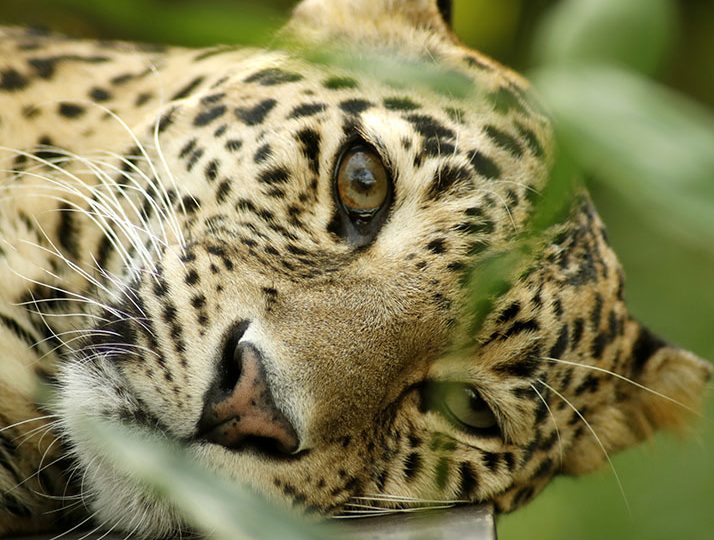
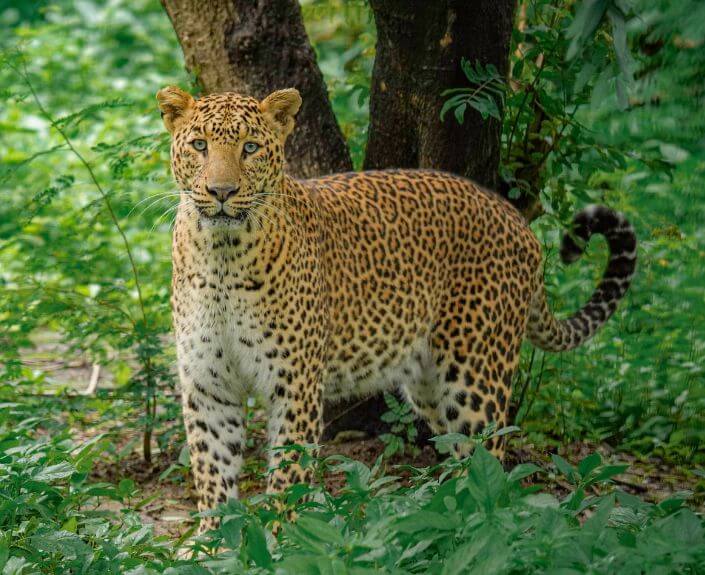
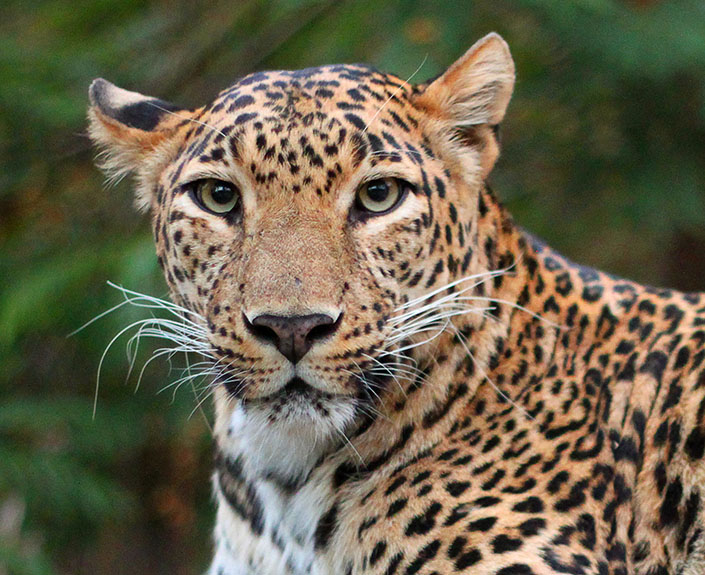
The Indian Leopard (Panthera pardus fusca), once widely distributed across the Indian subcontinent, has in recent years come under threat. Due to a variety of factors such as habitat encroachment, rapid urbanization, and man-animal conflict, they are becoming increasingly rare outside the bounds of designated nature preserves and protected areas.
Males average between 4 ft 2 in (127 cm) and 4 ft 8 in (142 cm) in length and weigh between 110 and 170 lb (50 and 77 kg). Females are slightly smaller averaging between 3 ft 5 in (104 cm) and 3 ft 10 in (117 cm) in length and weigh between 64 and 75 lb (29 and 34 kg).
Leopards have inhabited the areas surrounding Maharashtra since time immemorial as an integral part of the landscape. Until recently, when their habitat, consisting primarily of scrub jungle abundant with small prey, started to be destroyed by development. What was once a leopard haven, has now changed drastically since the expansion of sugar cane cultivation in these areas.
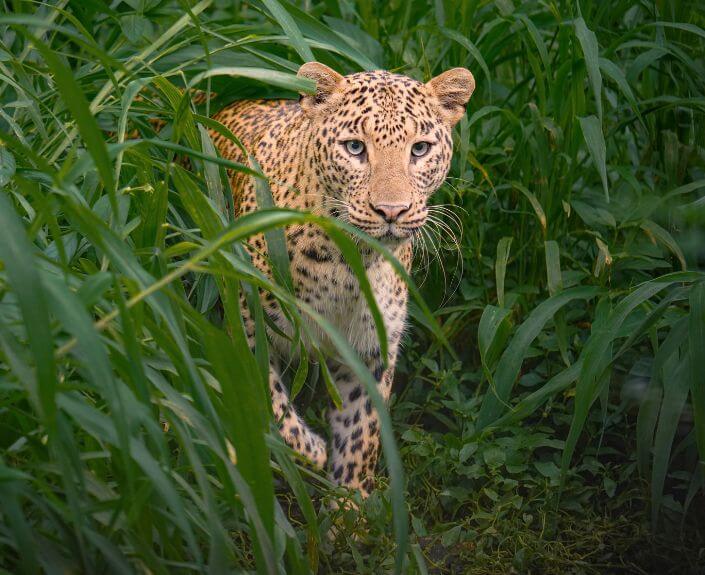
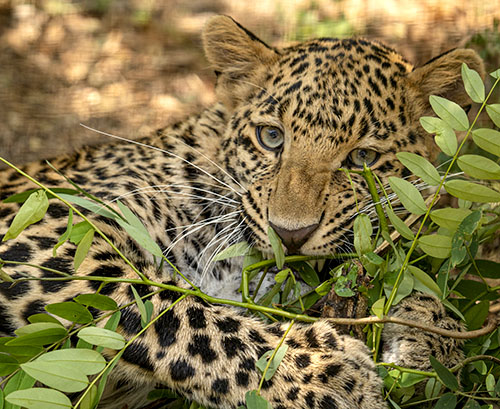
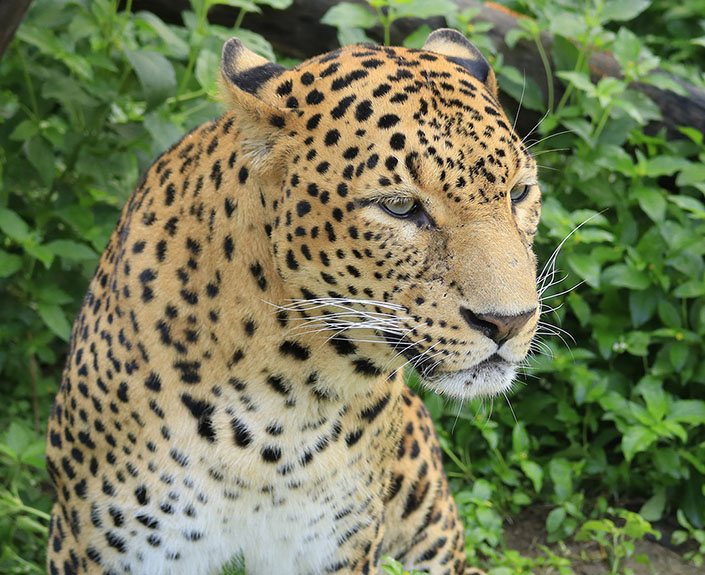
General Characteristics
- Status: Near Threatened
- Wild population: 12,000 to 14,000 approximately
- Captive population: Approximately 100
- Under the care of Wildlife SOS: Over 45
- Wildlife SOS Facilities Manikdoh Leopard Rescue Centre
- Lifespan: 18-21 years
- Height: Male: 60-70cm at shoulder; Female: 57-64cm at the shoulder
- Weight: Male: 30kgs; Female: 27kgs
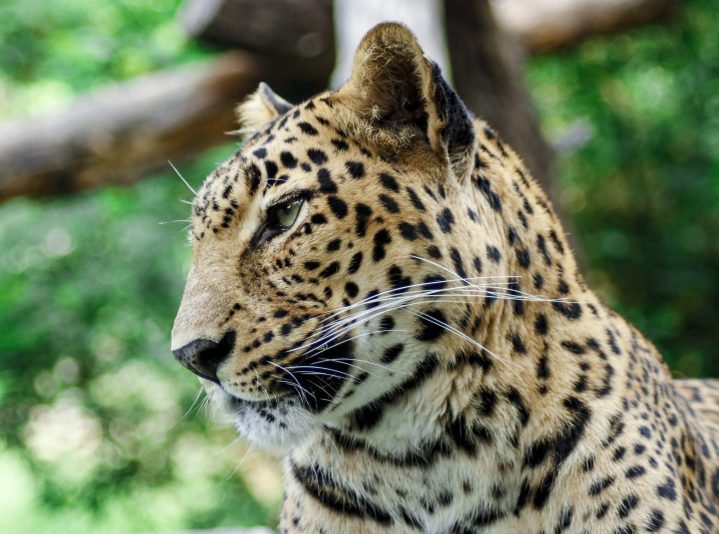
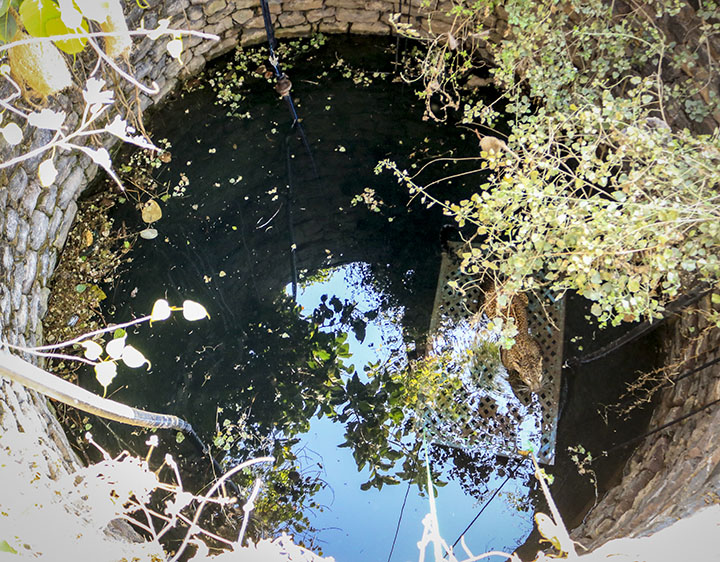
THREATS TO LEOPARDS IN INDIA
Every threat to a wild animal is interconnected and one often leads to the other. Listed beneath are some of the major causes threatening the leopard’s survival in the wild.
Loss of habitat: A shrinking forested habitat is a major threat for leopards as the increasing natural pressure on resources is leaving smaller habitats for the wild cat to forage, hiding, raise its young and thrive in.
Shrinking of prey base: While the leopard is a versatile eater, a major number of the species it preys on are also the victims of rapid deforestation and urbanisation.
Man-animal conflict: As the forests shrink, leopards, being the adaptable animals they are, have begun to thrive in an urban landscape, often sustaining on dogs and cattle. This often drives them into conflict with the local human population, leading to terrifying confrontations that have negative impacts on both humans and leopards alike.
FACTS ABOUT LEOPARDS
- Leopards are fast felines and can run at up to 58km/h! They’re super springy too, and can leap 6 metres forward through the air and jump almost 3 metres high! This is where its curled tail comes in handy as it helps the leopard maintain balance and aids in steering the jump.
- Leopards can see seven times better in the dark than humans. Being nocturnal animals, they are more active at night and spend their days resting, camouflaged in the trees or hiding in caves.
- The leopard is the smallest of the big cats, with the male being almost 50% larger than the female.
- Due to their resemblance to the shape of a rose, the spots of a leopard are called rosettes and each individual leopard has a unique rosette pattern. Difference in the rosettes shape and colour can also be observed in different regions.
- A melanistic leopard, wherein the entire coat of the animal is black in colour, is often called Black Panther. It is mistakenly thought to be a different species.
- All feline tongues, from house pets to leopards, are covered with tiny barbs or hooks, giving it a rough texture. These microscopic projections face toward the cat’s throat, and are the tools that help to groom its coat. In the wild, these rasps tear the flesh off the bones of the big cat’s prey!